
India's pilgrimage circuit spans the length of the country, from the Himalayan char dham to the temple towns of the south, and planning a yatra usually comes down to two questions: which sites matter most to you, and how much walking and altitude you're prepared for.
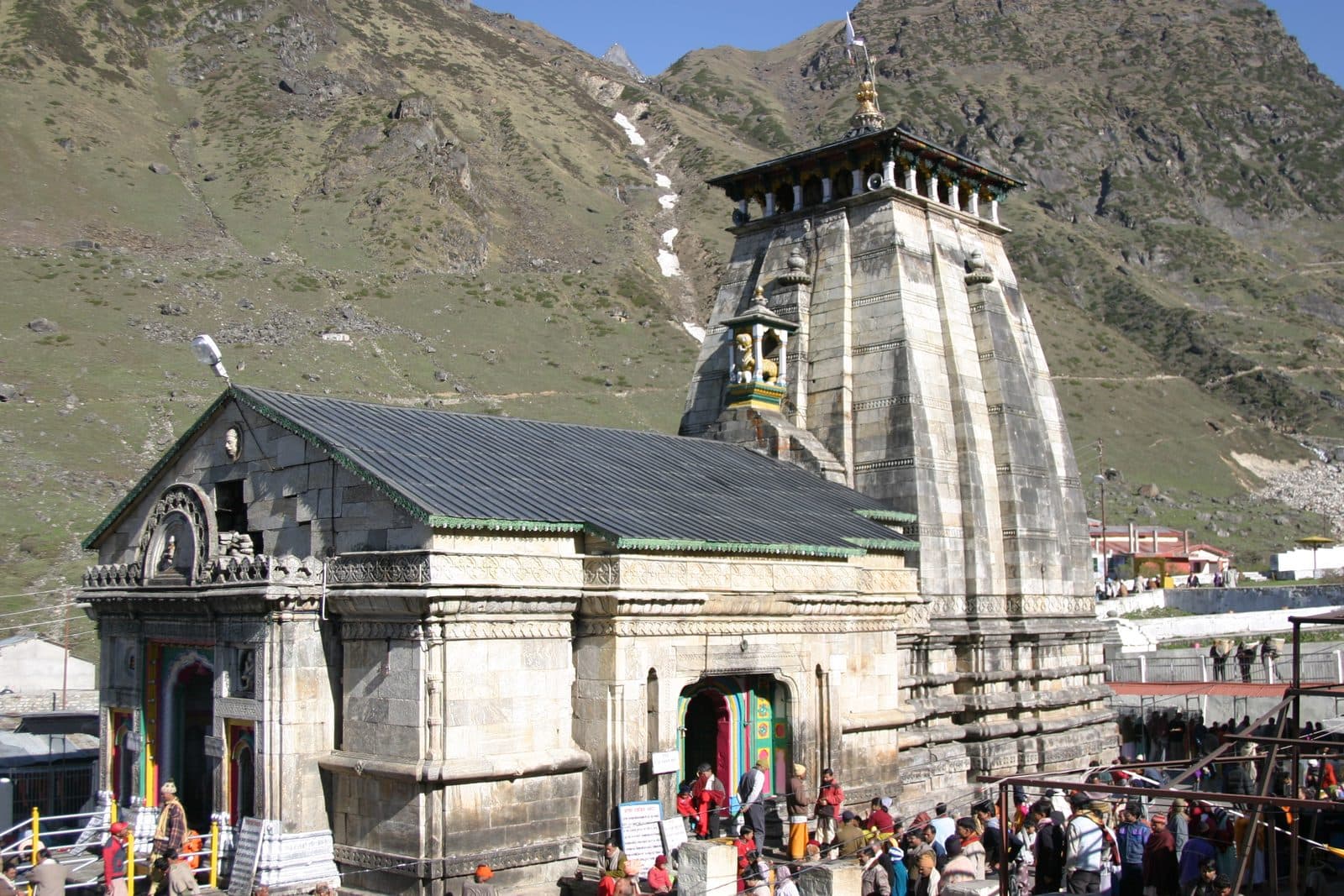
The char dham — Yamunotri, Gangotri, Kedarnath, and Badrinath — sit in Uttarakhand's high Himalayas and are only accessible between roughly May and October, when the mountain roads are open. Vaishno Devi in Jammu involves a steady uphill trek or pony ride to the cave shrine, manageable for most fitness levels with a comfortable pace. Amarnath, further north, is more physically demanding and weather-dependent, and is usually combined with a Vaishno Devi visit on the same trip.
In the south, Tirumala-Tirupati is one of the most visited pilgrimage sites in the world, and darshan timing is worth planning around rather than leaving to chance. Kashi (Varanasi) and Ayodhya, both in Uttar Pradesh, are natural to combine on one itinerary given their proximity, and each rewards at least two full days rather than a rushed single visit.
For a longer or more remote yatra — Kailash Mansarovar in particular — the planning window is measured in months, not weeks, given permits and acclimatisation requirements.
We build in rest days around altitude and darshan queue times rather than just point-to-point transport, since that's usually what makes the difference between a pilgrimage that feels rushed and one that doesn't.